Sandy Lake First Nation — May 27, 2025

Our Letter to Ontario
About Mining on Our Lands and Waters

Written submission to the Standing Committee on the Interior  ·  Bill 5 hearings

↓ Download original PDF
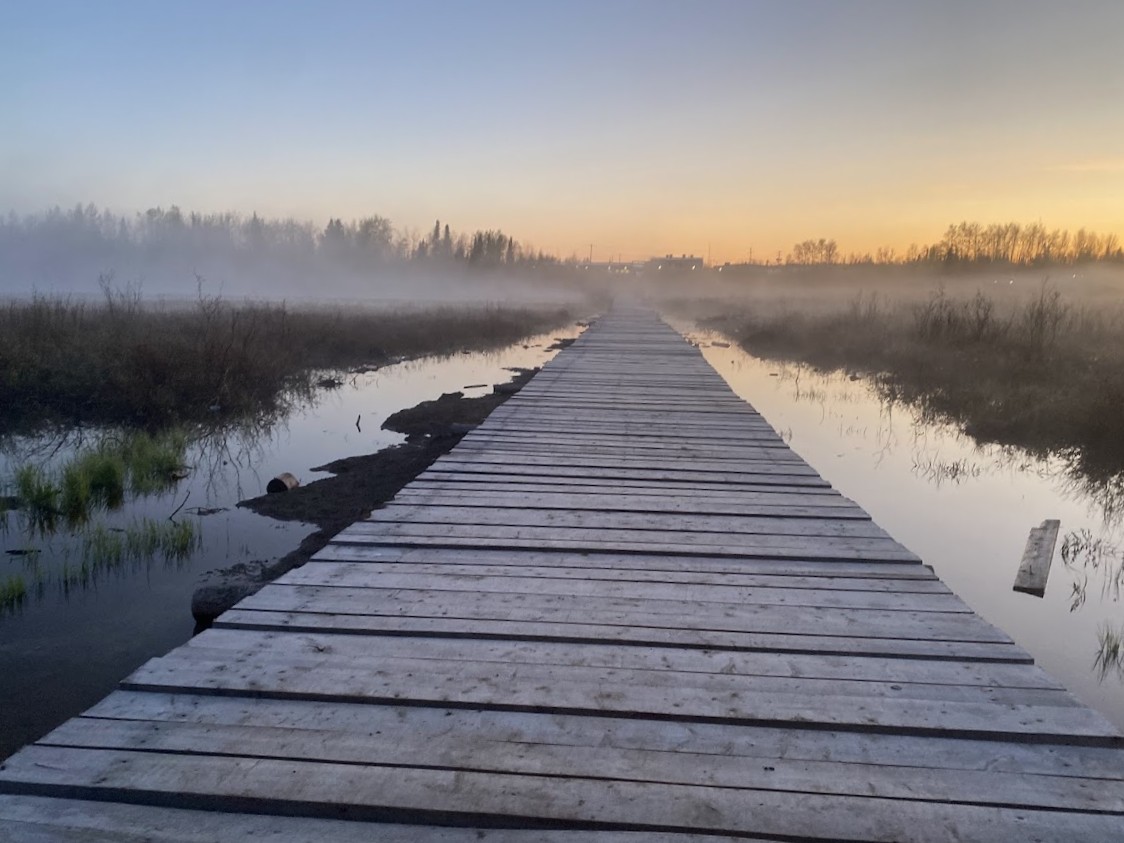
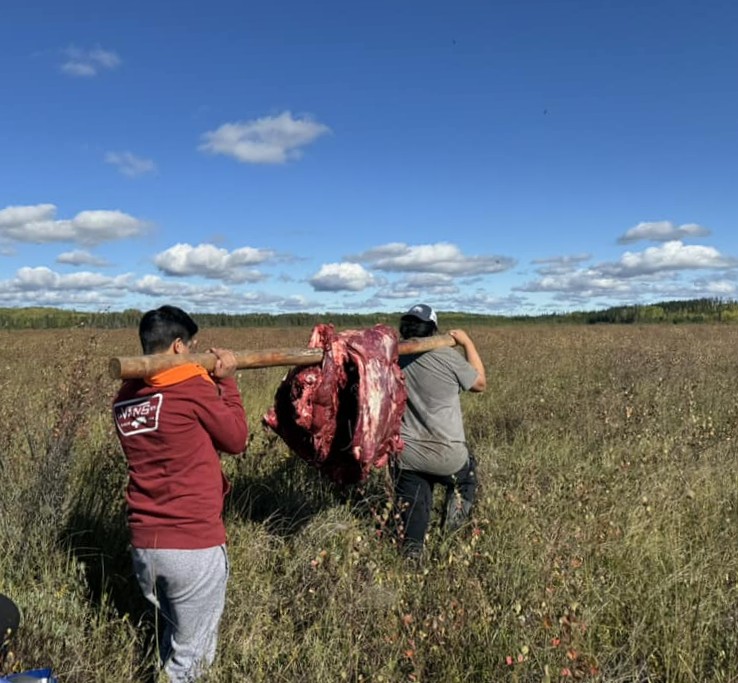
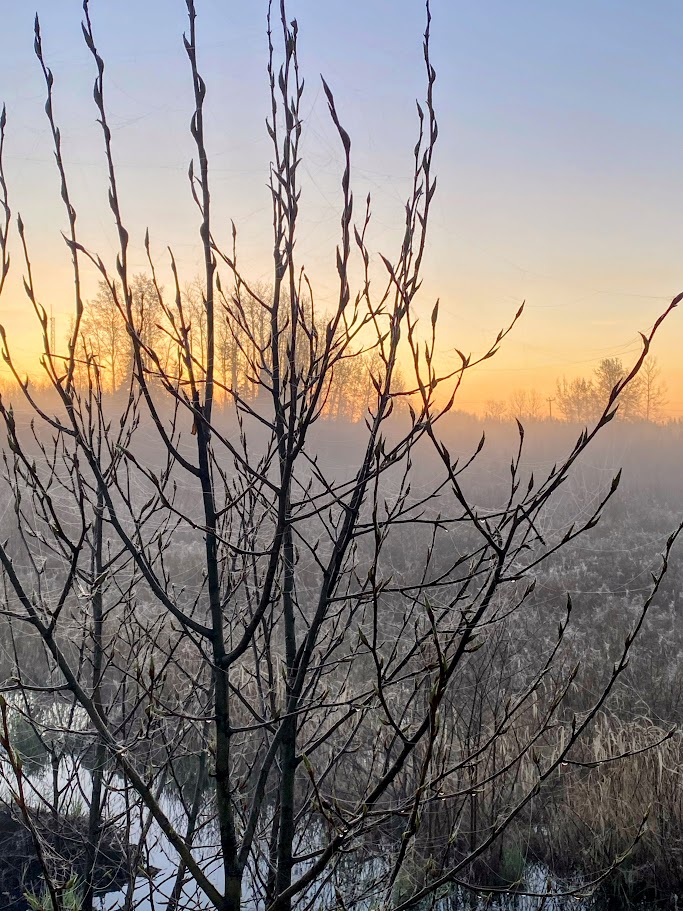
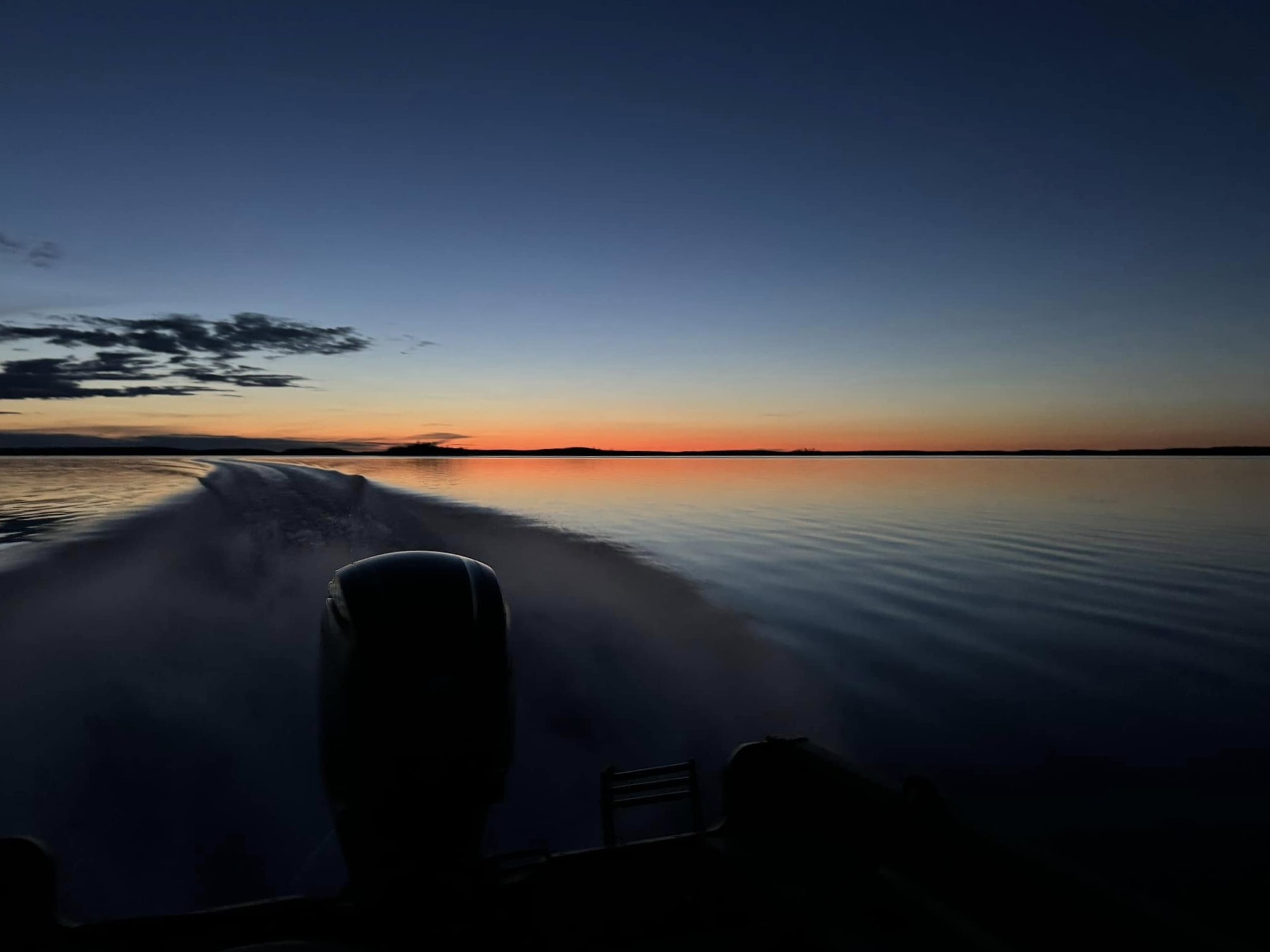
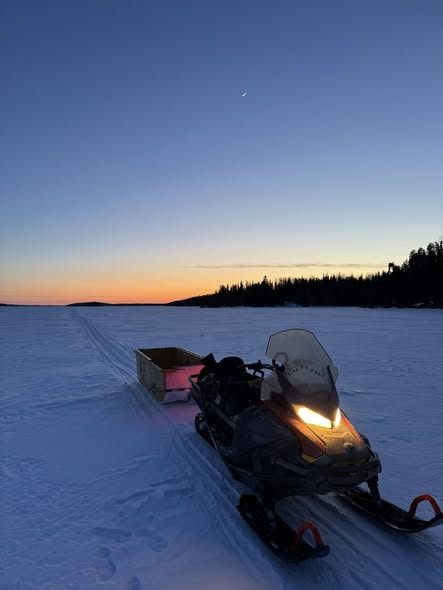
Boardwalk at dawn Frozen lake Sapling at dawn Sandy Lake at dusk Roads through the land Skidoo at dusk
Standing Committee on the Interior
Whitney Block, Room 1405  ·  99 Wellesley Street W
Toronto, ON, M7A 1A2
Re: Bill 5 – Written Submissions from Sandy Lake First Nation

I write on behalf of Sandy Lake First Nation to provide written comments regarding Bill 5, the Protect Ontario by Unleashing our Economy Act, 2025. This letter follows up on the oral presentation that our representatives Councillor Cynthia Fiddler and Adam Fiddler gave to the Standing Committee on the Interior on May 22, 2025.

The Distance From There to Here

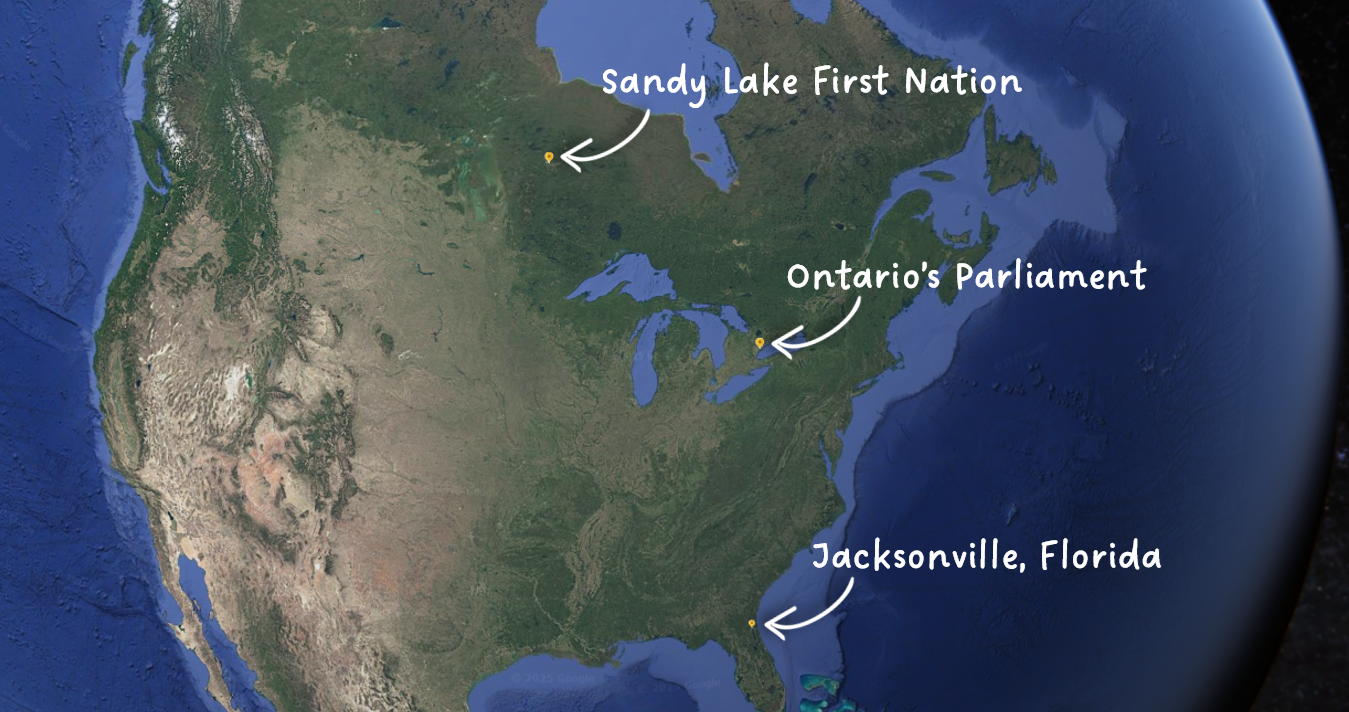
Queen's Park is far from the Sandy Lake homelands — approximately 1500 kilometres away, a distance comparable to travelling from Queen's Park to Florida. That geographic and cultural distance is important to understanding the perspective we bring. It is particularly important to understanding why we say that our laws will govern what happens in our homelands, regardless of what Bill 5 does or does not do.

Our laws will govern what happens in our homelands, regardless of what Bill 5 does or does not do.
Globe showing Sandy Lake First Nation, Ontario's Parliament, and Jacksonville Florida

Learning from the Land

In our presentation to the Standing Committee, we referred to ndowemaganug, which means "all my relations." In ceremony, this concept holds an even deeper meaning. It encompasses our relationship not only with people and animals, but with the land itself, with the waters, the plants, and even the wind. It expresses a worldview of interconnectedness and mutual responsibility with all living things.

Our relationship to the land is central to who we are. As Anishinninuwug, we were placed in our homelands with the responsibility to protect and care for them. We are, first and foremost, children of the land. The land is our first teacher. From a young age, we learn through play, exploration, and observation. The laws of nature give us lessons — offering guidance, but also discipline. From these teachings, we learn respect, and with that respect comes our duty to protect the land for future generations.

This is why the people of Keewatinook love the land so deeply. It is not just a place; it is a living, teaching, nurturing presence that forms the foundation of our identity, our law, and our responsibility.
It is not just a place; it is a living, teaching, nurturing presence that forms the foundation of our identity, our law, and our responsibility.

A Toxic Legacy: The Favourable Lake Mines

With Bill 5, Ontario is proposing to return to a time and approach reminiscent of the era when the Favourable Lake mines — also known by some as the Berens River Mines — were developed in our homelands. These mines operated from 1939 to 1948 and extracted 158,000 ounces of gold, 5.8 million ounces of silver, 1.7 million pounds of zinc, and 6.1 million pounds of lead. While others grew wealthy, our people were left in poverty; as one Elder recalled, our only benefit was scavenging for food scraps at the mine dump.

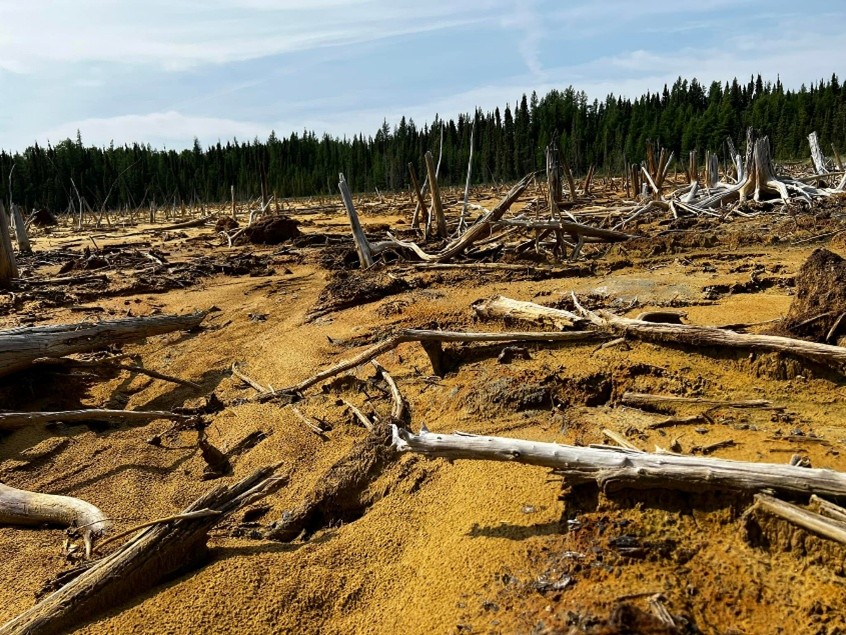
Favourable Lake mine site — orange tailings, dead and fallen trees, contaminated land

The land was left contaminated and remains unrestored 76 years later. The old mine is a major environmental hazard. It is covered in yellow tailings. Councillor Cynthia Fiddler personally visited the area: the air smelled dead, the vegetation was sparse and unhealthy, and the land felt lifeless.

This is the legacy of mining in our territory. It was wrong then, and it is wrong now. We will not allow such harm to happen again.

This is the legacy of mining in our territory. It was wrong then, and it is wrong now. We will not allow such harm to happen again.

Sandy Lake First Nation has been asking the Government of Ontario for years to clean up the Favourable Lake mine site. It is unacceptable that such a toxic site remains unremediated more than 75 years after the mine closed. We are told that environmental studies are needed before cleanup can begin. Yet, when it comes to development and extraction, Ontario is ready to fast-track processes and remove safeguards.

If you can fast-track development, then you can fast-track cleanup. Apply the same urgency to restoring what has been damaged as you do to enabling new resource extraction.

If you can fast-track development, then you can fast-track cleanup. Apply the same urgency to restoring what has been damaged as you do to enabling new resource extraction.

Relationship to Our Homelands

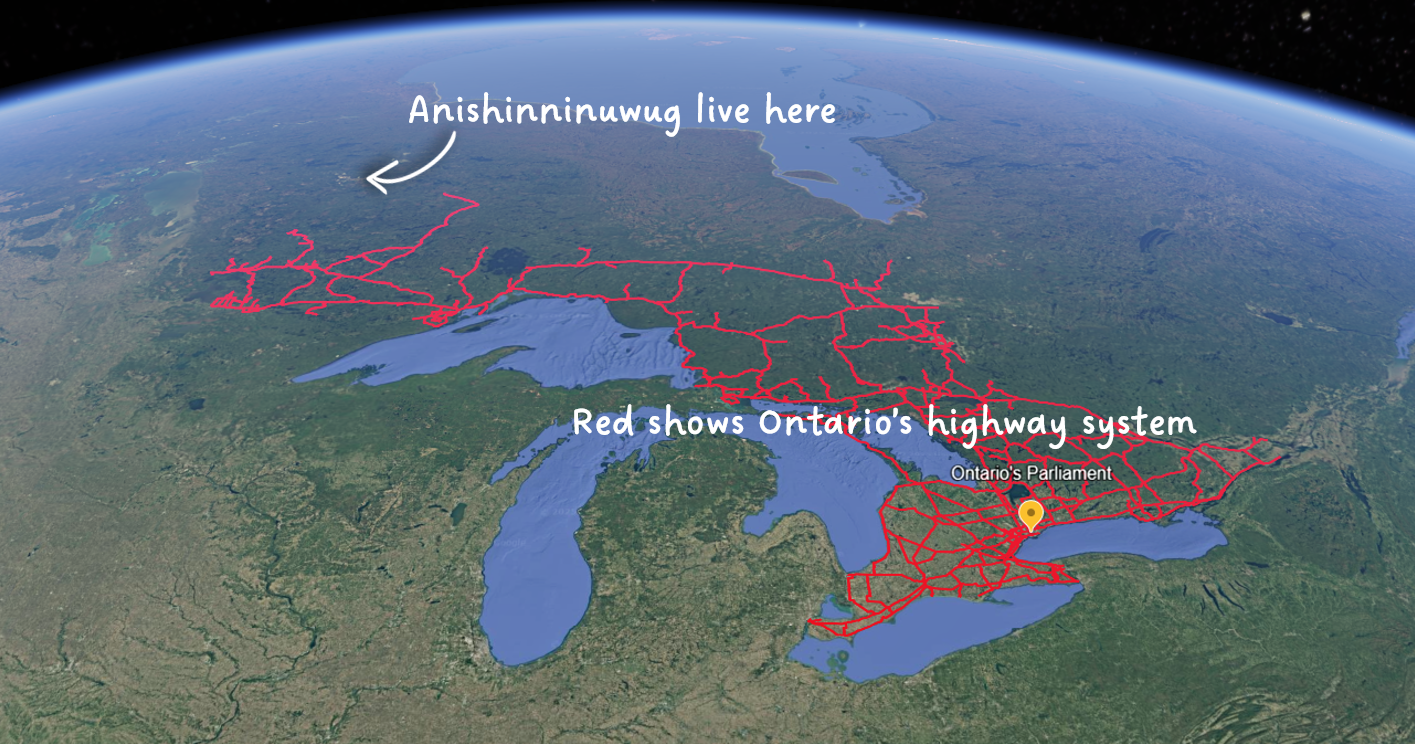
Our homelands belong to us alone. We are the only people who live here and have ever lived here. Our language is the first language spoken here. These lands and waters are our home — where we belong. Our nations lies beyond the reach of Ontario's infrastructure: no highways, no all-season roads, no railway lines, and until recently, no power lines.

Globe view of Ontario showing highway system in red — Anishinninuwug live far beyond its reach

We are the voice of our lands and waters. This is a sacred responsibility embedded in our laws. We speak for the birds, the animals, the fish, the environment — for ndowemaaganuk, all our relations. Our laws allow use of the land to sustain life, but always in a way that protects future generations.

In the past, your environmental protection laws were the closest thing to that in Ontario law. Now you propose to repeal them. While you may change your laws, you will still be accountable to us. Our laws remain in force and will be upheld. No development will proceed without going through our process.

While you may change your laws, you will still be accountable to us. Our laws remain in force and will be upheld. No development will proceed without going through our process.

Frontier Lithium and Respect for Our Laws

As we have said, you have your laws — but we also have ours. We will not allow you to disregard or override Indigenous law. We will not allow you to destroy our lands. Anyone wishing to operate in our territories must follow Indigenous law. This is not a request. It is a requirement.

There are many companies conducting mineral exploration on our lands. One of them is Frontier Lithium. To their credit, they are attempting to understand the thought processes, values, and laws of our people. They are proceeding slowly and respectfully. They are asking what laws they must follow, and seeking to understand where we are coming from.

We are working to ensure they understand what obligations must be fulfilled. This is a critical first step for any activity in our territory. So far, Frontier is indicating a willingness to respect our law. This is a positive development and one we trust will continue.

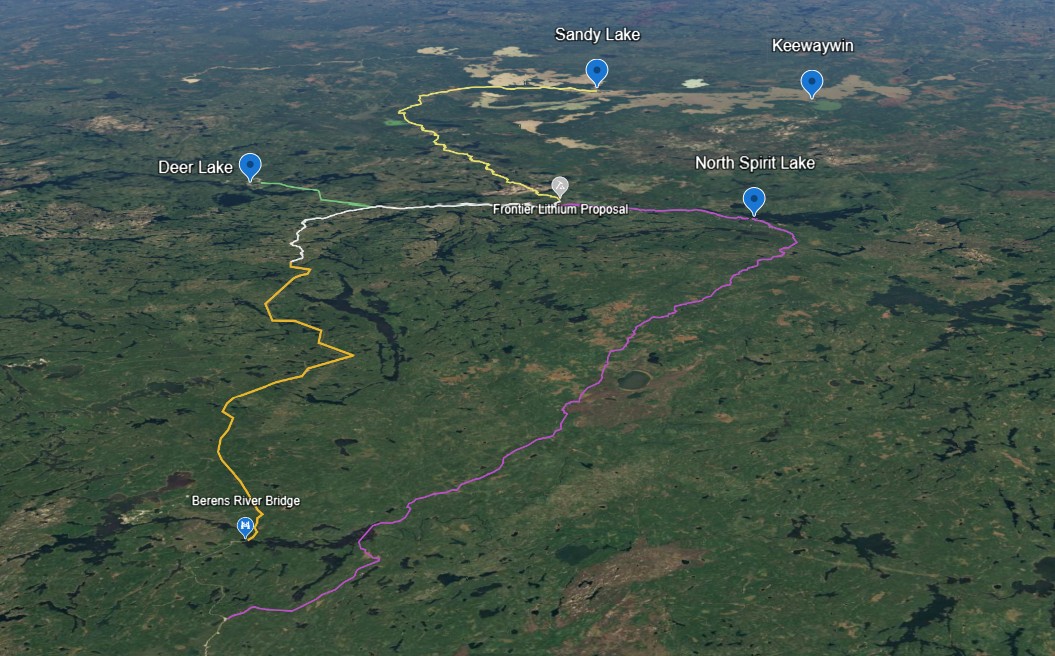
But let us be clear: helping Frontier Lithium understand our law does not mean we are giving them permission to build a mine. Frontier's project would not just impact Sandy Lake. North Spirit Lake, Deer Lake and Keewaywin families also belong to those lands. Frontier knows it must keep working with all of us — by understanding and following our laws and protocols.

The Coexistence of Laws

Ontario may amend its laws, but it cannot amend ours. Both legal systems exist, and both must be respected. Terms such as Duty to Consult, UNDRIP, and "free, prior, and informed consent" exist within your legal framework, but we will not dwell on those. The point is simple: your have your laws, and we have ours. Both must be followed.

Our laws are sacred instructions handed down to us by the Creator. They form the basis of our inherent rights. They exist independently of Canadian law and will continue to exist regardless of what Bill 5 says or does. Any plans for development in our territory must be grounded in this reality.

Our laws are sacred instructions handed down to us by the Creator. They form the basis of our inherent rights. They exist independently of Canadian law and will continue to exist regardless of what Bill 5 says or does.

Recommendations to Ontario

Respect for our laws is not a courtesy and is not optional. It is a solemn obligation.

We urge Ontario to act with humility and curiosity, to seek understanding, and to work toward a respectful relationship. If you are going to change your law, consider ways to ensure that your decisions respect and align with ours. Because whatever is included in Bill 5, or any future legislation, our laws will be enforced. The path forward is through meaningful, face-to-face engagement in our homelands.

Closing

Thank you for the opportunity to present to the Committee. We urge you to take these words seriously, as guidance for a different and better path forward.

Miigwech. Niin,

Signed
Chief Delores Kakegamic
Sandy Lake First Nation  ·  May 27, 2025
cc. Sandy Lake First Nation Chief and Council  ·  Trevor Walker, Frontier Lithium